DNA-Targeted Drugs in Cancer Therapy: Mechanisms, Biomarkers, and Precision Medicine
 Introduction
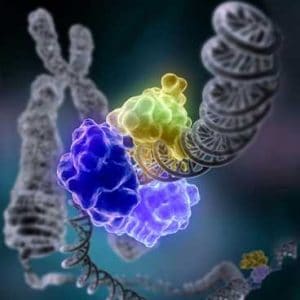
DNA-targeted drugs are an important class of therapeutic agents designed to interact directly with DNA inside cells. These drugs modify DNA structure or interfere with essential processes such as DNA replication, transcription, and repair. By targeting these critical mechanisms, DNA-directed therapies are widely used to treat cancers, genetic disorders, and certain infectious diseases.
In oncology, DNA-targeted therapies aim to improve treatment effectiveness while reducing side effects. Instead of acting broadly on rapidly dividing cells like traditional chemotherapy, these drugs focus on specific molecular pathways involved in tumor growth and progression.
The development of DNA-targeted cancer drugs began after the discovery of the DNA double-helix structure by Watson and Crick in 1953. Early chemotherapy agents such as nitrogen mustards laid the foundation for modern anticancer treatments. Later advances in understanding DNA replication and repair led to the development of drugs like etoposide in the 1970s.
Although many traditional chemotherapeutic drugs interact with DNA in a non-specific way, modern research has introduced more selective therapies. The rise of genomic medicine and the discovery of poly-ADP-ribose polymerase (PARP) inhibitors in the 2010s have significantly improved targeted cancer treatments. New generations of DNA-targeting drugs now explore mechanisms such as synthetic lethality, DNA repair inhibition, and epigenetic regulation, offering greater precision and therapeutic potential.
Understanding DNA Structure and Its Role in Drug Targeting
DNA is the molecule responsible for storing and transmitting genetic information in all living organisms. It consists of two strands arranged in a double helix structure. Each strand is composed of nucleotides containing a sugar molecule, a phosphate group, and one of four nitrogen bases:
- Adenine (A)
- Thymine (T)
- Cytosine (C)
- Guanine (G)
Base pairing follows a complementary pattern where adenine pairs with thymine and cytosine pairs with guanine. This precise pairing allows DNA to replicate accurately during cell division.
DNA-targeted drugs disrupt these biological processes through several mechanisms, including:
- DNA intercalation between base pairs
- DNA alkylation
- Topoisomerase inhibition
- DNA cross-linking
These interactions interfere with DNA replication and transcription, ultimately preventing cancer cells from proliferating.
The sequencing of the human genome in 2001 greatly accelerated the development of targeted therapies. Understanding the genetic blueprint of human cells allowed scientists to identify mutations responsible for diseases such as cancer. This knowledge enabled the development of precision medicine approaches that tailor treatments based on the patient’s specific genetic profile.
Today, molecular profiling and biomarker analysis are widely used in clinical trials to identify genetic alterations and guide personalized cancer treatments.
Characterizing Cancer for Targeted Treatments
Advances in next-generation sequencing (NGS) have transformed how cancer is classified and treated. Traditional classification systems relied on the organ where the tumor originated. However, genomic studies show that cancers often share molecular characteristics across different organs.
NGS has revealed complex genomic and immune profiles in metastatic tumors. These findings highlight the importance of designing therapies based on genomic alterations rather than tumor location alone.
Technological improvements have also reduced the cost and time required for genome sequencing, making these tools more accessible to clinicians and researchers.
Another important innovation is circulating tumor DNA (ctDNA) testing. This non-invasive technique analyzes tumor-derived DNA fragments circulating in the bloodstream. Unlike traditional biopsies, ctDNA reflects the genetic diversity of the entire tumor rather than a single tissue sample.
ctDNA analysis provides valuable information for:
- Selecting targeted therapies
- Monitoring treatment response
- Detecting tumor evolution and resistance
For example, detection of BRCA1 or BRCA2 mutations can guide treatment with PARP inhibitors. Similarly, DNA methylation patterns in tumor suppressor genes can provide prognostic information in several cancer types.
Precision Medicine and Molecular Biomarkers
Precision oncology focuses on tailoring treatments according to the molecular characteristics of each patient’s tumor. Several targeted therapies have already demonstrated success using this approach.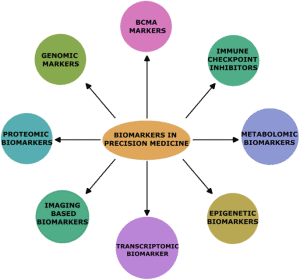
Examples include tyrosine kinase inhibitors developed for cancers with specific genetic alterations, such as:
- BCR-ABL translocation in chronic myeloid leukemia
- EGFR mutations in lung cancer
- BRAF mutations in melanoma
These molecular markers help predict whether a patient is likely to respond to a particular treatment.
Despite the rapid development of targeted therapies, many classic DNA-targeting drugs such as cisplatin, etoposide, topotecan, mitomycin C, and gemcitabine are often excluded from precision oncology trials. This is mainly due to economic factors, including patent expiration and reduced profitability for pharmaceutical companies.
However, re-evaluating existing drugs through the lens of precision medicine may help identify patient groups that could benefit from these therapies. In many cases, older drugs may remain highly effective when used in a more targeted manner based on molecular biomarkers.
Modern cancer treatment strategies generally follow three key steps:
- Identify the molecular targets involved in tumor progression.
- Develop or select drugs that affect these targets.
- Identify genetic markers that predict treatment response or toxicity.
This shift toward genome-based treatment is transforming cancer therapy from a tumor-type approach to a personalized medicine strategy.
Strategies for DNA-Targeted Cancer Therapy
PARP Inhibitors
PARP inhibitors represent one of the most important advances in DNA-targeted cancer therapy. These drugs are particularly effective in tumors with defects in homologous recombination DNA repair, such as those carrying BRCA1 or BRCA2 mutations.
PARP enzymes normally help repair single-strand DNA breaks. When PARP is inhibited, DNA damage accumulates, eventually leading to double-strand breaks. In cells that already have defective DNA repair mechanisms, such as BRCA-mutated cancer cells, this damage becomes lethal.
This phenomenon is known as synthetic lethality, where two simultaneous defects lead to cell death.
Several PARP inhibitors have been approved for clinical use, including:
- Olaparib
- Niraparib
- Rucaparib
- Talazoparib
These drugs are currently used in the treatment of breast, ovarian, and prostate cancers associated with BRCA mutations.
SLFN11 as a Predictive Biomarker
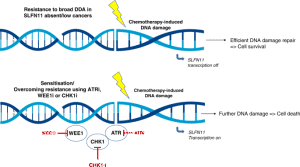 SLFN11 has recently emerged as a promising biomarker that predicts sensitivity to DNA-damaging drugs. This protein plays a role in regulating cell cycle arrest when DNA replication is disrupted.
High levels of SLFN11 expression are associated with better responses to treatments such as:
- Topoisomerase inhibitors
- Alkylating agents
- PARP inhibitors
- Platinum-based chemotherapy
In contrast, tumors lacking SLFN11 expression often show resistance to these therapies.
Recent studies also suggest that SLFN11 expression may improve treatment outcomes in cancers such as gastric cancer, esophageal cancer, and small-cell lung cancer.
However, several challenges remain, including tumor heterogeneity and incomplete understanding of SLFN11 mechanisms.
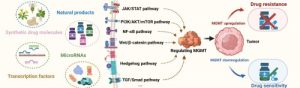
MGMT and Drug Resistance
O6-methylguanine-DNA methyltransferase (MGMT) is an enzyme involved in DNA repair. Its main function is to remove alkyl groups from damaged DNA bases.
MGMT plays an important role in resistance to alkylating chemotherapy drugs such as temozolomide. Tumors with high MGMT expression can repair the DNA damage caused by these drugs, reducing their effectiveness.
Interestingly, some tumors especially gliomas have low MGMT activity due to promoter methylation. This makes them more sensitive to temozolomide treatment.
Understanding MGMT expression levels can therefore help predict patient response to chemotherapy and guide treatment decisions.
ATR Kinase Inhibitors
ATR kinase is a key regulator of the DNA damage response during DNA replication. It becomes activated when cells experience replication stress or DNA damage.
ATR inhibitors aim to block this protective mechanism in cancer cells, preventing them from repairing DNA damage and ultimately leading to cell death.
Several ATR inhibitors are currently being investigated in clinical trials. One example is BAY 1895344, which has shown promising antitumor activity in preclinical studies involving ovarian, prostate, and colorectal cancers.
However, challenges remain, including potential toxicity, drug resistance, and the need for improved patient selection strategies.
Epigenetic Targeting and DNA Methylation
In addition to genetic mutations, epigenetic changes also play a major role in cancer development. One common epigenetic alteration is DNA hypermethylation, which can silence tumor suppressor genes.
Drugs known as DNA methyltransferase inhibitors can reverse these changes by modifying the cancer cell epigenome. This leads to reduced tumor growth, improved immune recognition, and increased cancer cell death.
These drugs are already approved for certain blood cancers, including:
New generations of epigenetic therapies are currently being tested in clinical trials, often in combination with immunotherapy or other targeted treatments.
Because epigenetic modifications are reversible, they represent a promising therapeutic target for future cancer therapies.
Conclusion
DNA-targeted drugs play a central role in modern cancer therapy. By interfering with DNA replication, repair, and gene regulation, these treatments can effectively stop cancer cell growth.
Advances in genomics, biomarker discovery, and molecular profiling have significantly improved our understanding of cancer biology. These developments are driving the transition from traditional chemotherapy toward precision oncology.
Emerging strategies including synthetic lethality, PARP inhibition, ATR targeting, and epigenetic therapy offer new opportunities for more effective and personalized cancer treatments.
Although challenges remain, continued research in DNA-targeted therapies is expected to expand treatment options and improve patient outcomes in the era of precision medicine.