Diabetes: Advances in Diagnosis, Prevention and Treatment
Introduction
Diabetes has become one of the most significant global health challenges of the modern era. Its rapid rise is driven by a combination of lifestyle habits, environmental influences, genetic predisposition, and early-life factors. While type 1 diabetes represents a small proportion of cases, type 2 diabetes accounts for the vast majority worldwide.
This chronic metabolic disorder is associated with long-term complications affecting multiple organs, including the eyes, kidneys, and nervous system. It is also a major risk factor for cardiovascular diseases and is increasingly linked to certain types of cancer. Beyond its medical impact, diabetes places a substantial economic burden due to the cost of treatment, monitoring, and complications.
Recent years have brought major advances in how diabetes is diagnosed, prevented, and managed, with a strong focus on early detection and personalized care.
Advances in Diagnosis
Modern Approaches to Glycemic Measurement
The diagnosis and monitoring of diabetes rely primarily on measuring blood glucose levels. Traditional methods include fasting glucose tests and oral glucose tolerance tests. Over time, technological improvements have made these measurements faster, more accurate, and easier to perform.
One major innovation is continuous glucose monitoring (CGM). These systems use small sensors placed under the skin to measure glucose levels in real time, typically every few minutes. This allows for better tracking of glucose fluctuations and improves disease management, especially in individuals with type 1 diabetes.
Another essential tool is glycated hemoglobin (HbA1c), which reflects average blood glucose levels over the previous 2 to 3 months. This marker is now widely used for both diagnosis and long-term monitoring because of its reliability and convenience.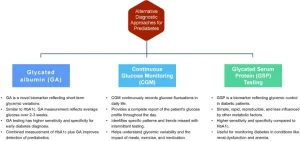
Diagnostic Criteria and Early Detection
Type 1 diabetes often presents suddenly with clear symptoms such as excessive thirst, frequent urination, and weight loss. In contrast, type 2 diabetes develops gradually and may remain asymptomatic for years, making early detection more challenging.
Diagnosis is based on specific thresholds of:
- Fasting blood glucose
- Post-meal glucose levels
- HbA1c values
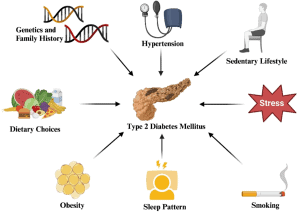
Screening is especially important for individuals with risk factors such as obesity, sedentary lifestyle, family history, or metabolic disorders. Early identification of prediabetes allows for timely intervention and prevention.
Genetics and Metabolic Profiling
Diabetes is a complex, polygenic disease influenced by multiple genes. In type 2 diabetes, many genetic variants contribute modestly to overall risk, while type 1 diabetes is more strongly associated with autoimmune-related genes.
However, genetic predisposition alone does not explain the rapid increase in diabetes cases. Environmental factors such as diet, physical inactivity, and obesity play a dominant role.
Emerging fields like metabolomics analyze biochemical markers in the blood to identify individuals at high risk. These metabolic profiles may complement traditional risk factors and improve early prediction in the future.
Advances in Prevention
Type 1 Diabetes Prevention
Efforts to prevent type 1 diabetes have focused on modifying the immune system in high-risk individuals. While some approaches have shown limited success in slowing disease progression, no strategy has yet proven effective in completely preventing onset.
Type 2 Diabetes Prevention
Prevention of type 2 diabetes has shown far more promising results. Lifestyle interventions remain the most effective strategy, particularly:
- Weight management
- Regular physical activity
- Healthy dietary habits
These measures can significantly reduce the risk of developing diabetes. In some cases, medications such as metformin may also be used in high-risk individuals.
Public health programs aimed at promoting healthier lifestyles are essential to controlling the global diabetes epidemic.
Advances in Management
Treatment Goals
The primary objective in diabetes management is to maintain stable blood glucose levels and prevent long-term complications. This is typically assessed using HbA1c, with a common target of less than 7% for many patients.
Management also includes controlling:
- Blood pressure
- Lipid levels
- Body weight
- Lifestyle factors such as smoking
Type 1 Diabetes Management
Treatment of type 1 diabetes requires lifelong insulin therapy. Modern approaches aim to closely mimic natural insulin secretion using:
- Multiple daily injections
- Insulin pumps
- Continuous glucose monitoring systems
Advanced technologies, including artificial pancreas systems, combine glucose monitoring with automated insulin delivery, offering improved control and reduced risk of hypoglycemia.
Although transplantation of pancreatic cells can restore insulin production, its use remains limited due to complexity and availability.
Type 2 Diabetes Management
Management of type 2 diabetes has become increasingly complex due to the variety of available treatments. The first-line therapy typically includes lifestyle modification combined with metformin, a well-established and effective medication.
If additional control is needed, other drug classes may be introduced, such as:
- Insulin therapy
- GLP-1 receptor agonists
- DPP-4 inhibitors
- SGLT-2 inhibitors
- Thiazolidinediones
Each class has specific advantages and limitations, and treatment should be individualized based on patient characteristics, response, and tolerance.
Early and intensive treatment is often recommended to preserve pancreatic function and improve long-term outcomes.
Emerging Therapies and Technologies
Recent innovations are transforming diabetes care, including:
- Advanced insulin formulations with improved stability
- Smart insulin delivery systems
- Integrated monitoring technologies
- Personalized treatment strategies based on patient profiles
Research is also exploring new therapeutic targets and combinations to enhance effectiveness and reduce side effects.
Conclusion
Diabetes remains a major global health concern, but significant progress has been made in its diagnosis, prevention, and treatment. Advances in technology, pharmacology, and personalized medicine are improving patient outcomes and quality of life.
The future of diabetes care lies in early detection, targeted interventions, and broader access to effective prevention programs. Addressing lifestyle factors and improving healthcare strategies will be essential to reducing the overall burden of this disease.